
Spotlight on
Reducing global catastrophic risks
Global Catastrophic Risks Program Focus
In 2025, we maintained the focus of our Global Catastrophic Risks (GCR) program on defusing competition between the great powers - in particular, the U.S., Russia, and China - while also experimenting with new strategies.
Our 2025 grantmaking priorities were:
- Strengthening diplomatic channels
- Research and knowledge generation
- Improving risk mitigation capacity
We identified and supported the best projects led by proven policy entrepreneurs to catalyze global cooperation on extreme risks. Where these projects didn’t exist, we helped to create them.

▲ Image Source: Unsplash

2025 was a year that demanded both steadiness and adaptability from anyone working to reduce existential threats. Our focus held firm even as the geopolitical landscape shifted dramatically and the pace of AI development accelerated, raising urgent questions about the implications of more advanced AI.
We believe defusing great power competition is more important now than ever. We’re deeply grateful to donors who understand that mitigating extreme risks requires thoughtful and consistent engagement. Your support allowed us to move quickly, experiment with new approaches, and create projects that wouldn't exist otherwise.
Matt Lerner & Christian Ruhl
Managing Director, Research & Co-Fund Manager
2025 GCR program headline figures
$10.8M*
Contributed to the Program
15
Total grantees
277%
Year-on-year giving growth
*Includes contributions to the GCR Fund, Patient Philanthropy Fund, and direct contributions to HIFO by members and Philanthropy Partners.
The impact our community created in 2025
Strengthening diplomatic channels
We've become one of the largest funders of backchannel diplomacy on catastrophic risks, supporting dialogues that keep communication open on topics neglected by official channels. Our grants have restarted critical conversations between the U.S., China, and Russia on nuclear stability and emerging threats, while also establishing new coordination infrastructure to prevent duplication and identify gaps across the fragmented landscape of unofficial diplomacy. These sustained relationships create pathways for cooperation that governments won't build alone.
2025 grants included:
- INHR: building the conversation between U.S. and Chinese experts
- Pacific Forum: launching a new U.S.-China-Russia trilateral dialogue
- Center for a New American Security (CNAS): Northeast Asia Track II dialogue on AI governance
- Institute for Security and Technology (IST): pilot grant for U.S.-China dialogues
- Inter Mediate: engaging nuclear decision makers in diplomatic dialogues
- Brookings-Hoover: enhancing the impact of Track II outcomes
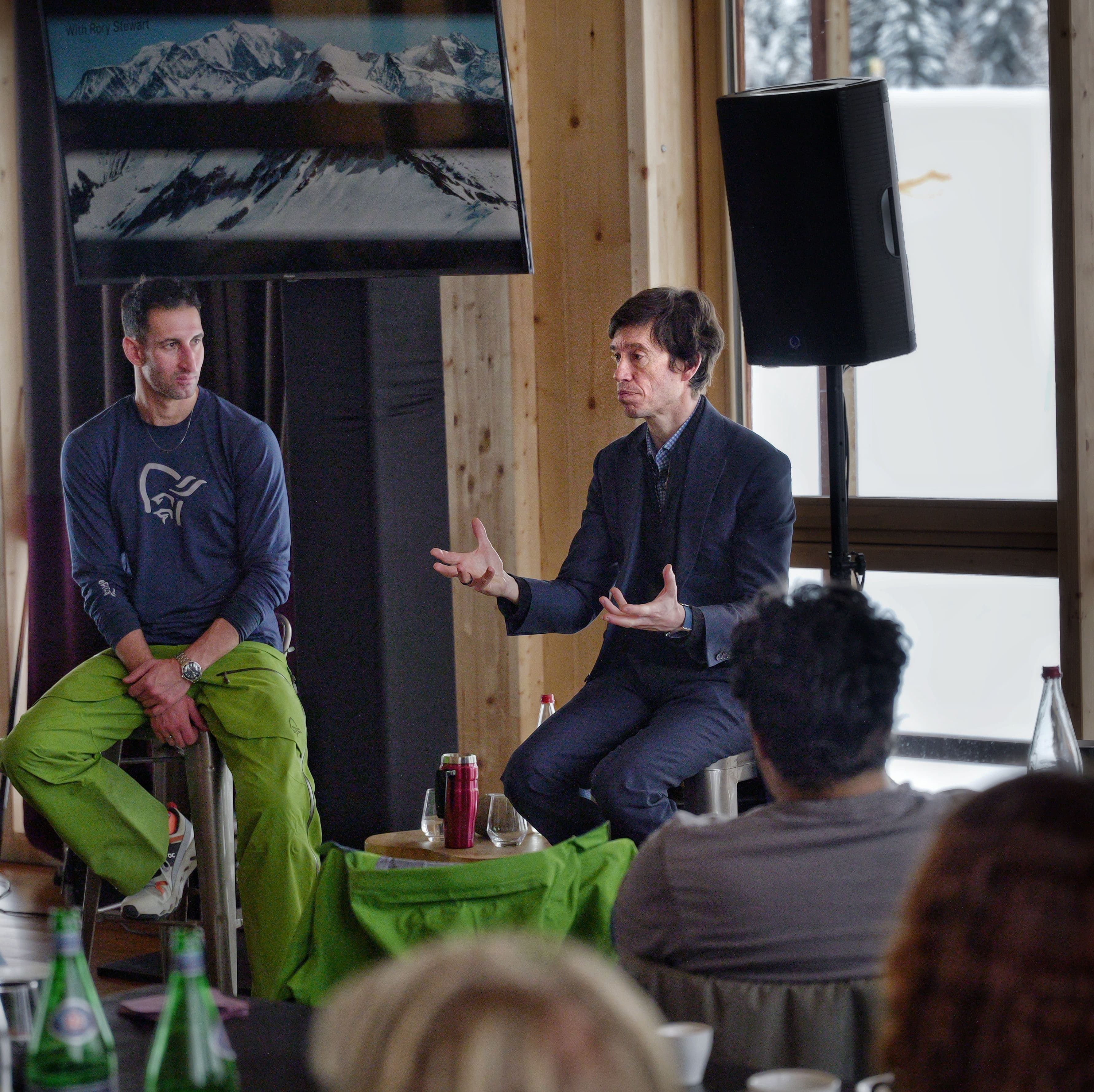
▲ Rory Stewart speaking at 2025 Winter Retreat
Advancing research and knowledge generation
Our grants enabled researchers to focus on blind spots in how the world manages catastrophic threats. We supported work on nuclear war termination, especially the "right of boom" problem of limiting damage once deterrence fails. We funded high-quality AI journalism that reached policy professionals, researchers, and the public, shaping how catastrophic risks are understood across the political spectrum. This work created frameworks and narratives that make better governance possible.
2025 grants included:
- Center for Nonproliferation Studies (CNS) and American Enterprise Institute (AEI): researching mechanisms for nuclear war termination and de-escalation
- Tarbell Center: funding high-impact AI journalism with editorial independence

▲ Photo by Getty Images for Unsplash
Building risk mitigation capacity
We invested in the human infrastructure needed for effective catastrophic risk mitigation. Our grants placed technical experts in policy roles at critical intersections like AIxBio, trained arms control negotiators on advanced AI threats, and cultivated professional networks spanning governments and civil society.
When the next major threat materializes—whether from engineered pathogens or racing toward superintelligence—the expertise and relationships to respond are more likely to exist because we are building that capacity now.
2025 grants included:
- Institute for Progress (IFP): building capacity at the intersection of AI and biosecurity
- Arms Control Negotiation Academy (ACONA): incorporating AI into arms control negotiation curriculum
▲ Photo by Getty Images for Unsplash
GCR Fund by the numbers
Impact stories
Center for Nonproliferation Studies (CNS) and American Enterprise Institute (AEI): $400K grant
While enormous effort has focused on preventing nuclear war, far less funding has gone towards planning for what happens after deterrence fails—the "right of boom" problem of limiting damage after nuclear weapons are used in war. We risk a future where a limited use of nuclear weapons could end up escalating simply because mechanisms for de-escalation don't exist.
Our grant to Dr. Jeffrey Lewis at CNS and Dr. Kori Schake at AEI funded a community of thought leaders to explore the implications and potential options to end a nuclear war once it had started taking into consideration the realities of getting to a negotiated peace between adversaries after nuclear weapons had been deployed on civilian populations.
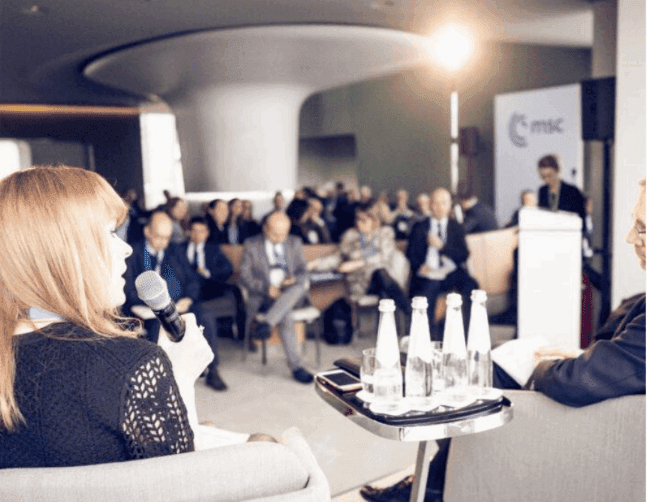
▲ CNS at Munich Security Conference 2025
Pacific Forum: $250K grant
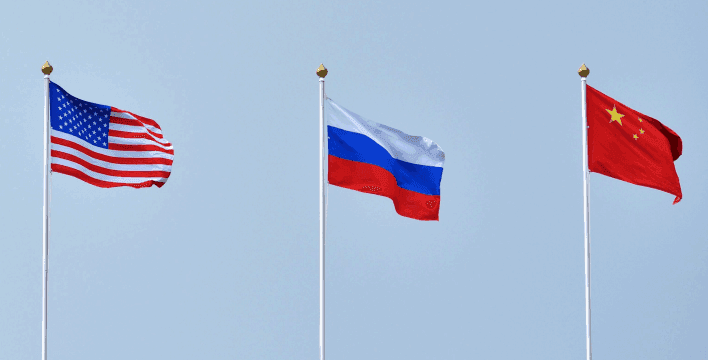
This $250K grant contributed towards launching a new strategic diplomatic dialogue between the U.S., Russia, and China to discuss nuclear weapons, grand strategy, and catastrophic risks.
Strategic nuclear dialogues create space for candid exchange on escalation risks, command and control vulnerabilities, and stability challenges—conversations that governments need but struggle to initiate alone.
▲ Image via iStock
What our members say:
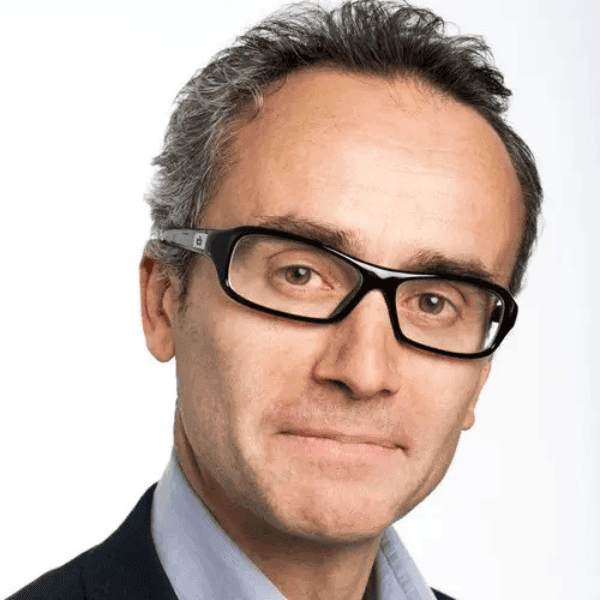
“I chose to support the GCR Fund because the rise of advanced AI and escalating geopolitical tensions make this decade uniquely decisive. Investing in global resilience is one of the few levers we have to reduce the tail risks that could shape humanity's future.”
Jean-Baptiste Rudelle
Owner, Rocabella
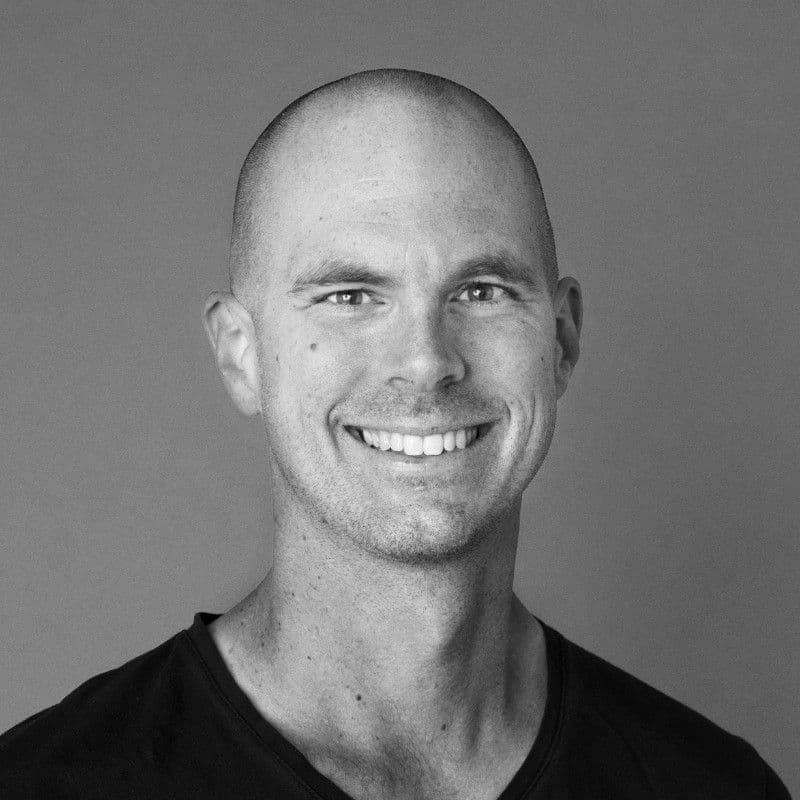
“My portfolio targets diversification and high expected impact, with room for learning. I used to focus on charities with proven short-term results, but Founders Pledge opened my eyes to the value of high-upside uncertainty. I now approach philanthropy like venture investing: a portfolio of bold, evidence-informed bets where a few successes can change the world. Early, unproven nonprofits often lack funding to test ideas at scale, so even small grants can be catalytic.”
Erik Byrenius
Founding Partner, Mudcake
